Source Soil Moisture Sensors for Agriculture, Greenhouse, and Field
Compare 30 soil moisture sensors from verified Chinese manufacturers offering digital displays, IP67 protection, and wide temperature ranges. These devices support agriculture, greenhouse monitoring, and field applications with resistive sensing types and 4-20mA output options for precise soil temperature and moisture measurement needs.
Key considerations
Products List


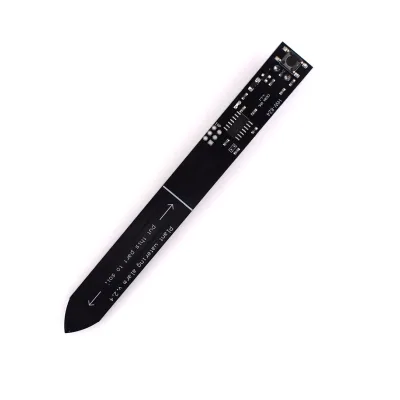


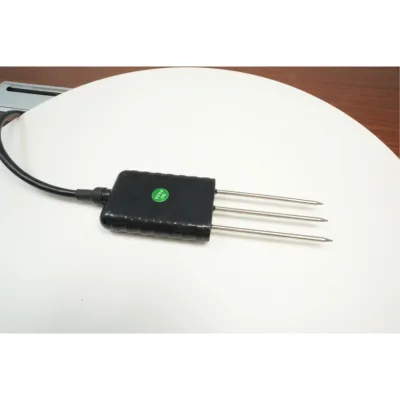


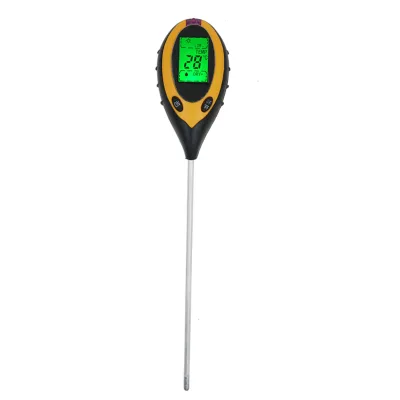


Comprehensive Sourcing Guide
Soil Moisture Sensors Sourcing Guide
Sourcing soil moisture sensors requires a clear understanding of the specific environmental conditions and data integration needs of your agricultural or food processing operations. These devices are critical for precision irrigation, ensuring optimal plant health while conserving water resources. Buyers must distinguish between simple handheld units and industrial-grade probes that integrate into larger IoT networks. The decision often hinges on whether the application demands high-frequency data logging or occasional spot checks. Understanding the distinction between resistive and capacitive sensing technologies is also vital, as each has different longevity and accuracy profiles in varying soil types.
The market offers a wide range of options, from portable digital meters to permanent horizontal installations. Key attributes to evaluate include the operating mode, display type, and the specific measurement ranges for temperature and humidity. For instance, some models offer a temperature measurement range of 0-85°C or -10-80°C with a resolution of 0.1°C. Others may support a broader range of -30~70°C. Buyers should also consider the physical dimensions and mounting requirements, such as probe length and diameter, to ensure compatibility with existing infrastructure. The choice between a single-item purchase and bulk procurement will also influence the total cost of ownership and supply chain reliability.
Product Scope and Observed Listing Signals
The current market landscape for soil moisture sensors includes a diverse array of products, with observed prices ranging from $0.33 to $100 USD. This wide variance reflects differences in sensor technology, build quality, and included features such as digital displays or wireless connectivity. Minimum order quantities (MOQs) typically range from 1 to 100 units, allowing for both small-scale testing and large-scale deployment. Buyers should note that some listings specify a "Box" or "Carton Box" packing method, which can impact shipping costs and product protection during transit. Understanding these commercial signals helps in budgeting and planning inventory levels effectively.
Many suppliers highlight specific technical capabilities, such as IP67 or IP68 protection levels, which are crucial for devices exposed to harsh outdoor environments. Some models are designed for horizontal installation and feature direct lead electrical connections, simplifying integration into existing systems. The supply voltage is another critical factor, with common ranges including 5-24V DC or 10-30V DC. Buyers must verify these electrical specifications to ensure compatibility with their power sources. Additionally, the presence of features like RS485 output with Modbus protocol indicates a higher level of integration capability, suitable for automated agricultural systems.
Technical Specifications to Verify
When evaluating soil moisture sensors, buyers must prioritize the accuracy and resolution of the measurements. Key specifications include temperature measurement accuracy of ±0.5°C and humidity measurement resolution of 1%. Some advanced models offer a pH range of 3~10, which is essential for comprehensive soil health monitoring. The sensing type, often resistive, should be matched to the specific soil conditions to avoid rapid degradation. Buyers should also verify the probe dimensions, such as a 55mm length and 3mm diameter, to ensure they fit the intended planting depth and soil structure. These physical attributes directly impact the reliability of the data collected.
Signal output is another critical technical consideration. Options include 4-20mA analog signals or digital RS485 outputs using the Modbus protocol. The choice of output affects how the sensor data is processed and integrated into monitoring software. Buyers should also check the maximum power consumption, which can range from 0.4W to 1.2W, to ensure it aligns with energy-efficient system designs. The operating voltage range, typically 5~24V DC, must be compatible with the power supply infrastructure. Verifying these technical details prevents integration issues and ensures the sensor performs reliably under varying environmental conditions.
Compliance and Safety Documentation
Compliance with international standards is essential for ensuring the safety and reliability of soil moisture sensors. Buyers should verify that products carry relevant certifications, such as CE marking, which indicates conformity with health, safety, and environmental protection standards for products sold within the European Economic Area. While specific standards may vary by region, buyers must ensure that the sensors meet local regulatory requirements. Documentation should include detailed technical datasheets that outline the sensor's performance characteristics, including measurement ranges and accuracy levels. This documentation is crucial for auditing and quality assurance purposes.
Safety features, such as high IP ratings, are vital for protecting the sensor from dust and water ingress. An IP67 or IP68 rating ensures that the device can withstand immersion in water or exposure to harsh weather conditions. Buyers should also check for any specific material certifications, such as the use of stainless steel for probes, which enhances durability and resistance to corrosion. Customization options may be available, allowing buyers to tailor the sensor to specific needs. However, any customizations must still comply with relevant safety and performance standards to ensure long-term reliability and user safety.
Cost Drivers and Commercial Terms
The cost of soil moisture sensors is influenced by several factors, including the complexity of the sensing technology, the quality of materials used, and the level of integration capabilities. Sensors with digital displays, wireless connectivity, or advanced signal outputs like RS485 typically command higher prices. Buyers should also consider the packaging and shipping costs, which can vary based on the number of units ordered and the destination. Minimum order quantities (MOQs) play a significant role in pricing, with larger orders often benefiting from volume discounts. Understanding these cost drivers helps in negotiating better terms and managing budget constraints effectively.
Commercial terms, such as lead times and warranty policies, are also critical considerations. Buyers should inquire about the production process, which may involve integration of multiple components, and the expected lead time for delivery. Some suppliers offer customization services, which may extend lead times but provide a better fit for specific applications. Payment terms and return policies should be clearly defined to mitigate financial risks. Buyers should also consider the total cost of ownership, including maintenance and potential replacement costs, when evaluating the overall value of the sensor. Transparent commercial terms ensure a smooth procurement process.
Supplier Qualification and Quality Control
Selecting a reliable supplier is crucial for ensuring the quality and consistency of soil moisture sensors. Buyers should verify the supplier's production capabilities, including their manufacturing processes and quality control measures. Suppliers located in regions like Xi'an, Guangdong, or Changsha in China may have different strengths and specializations. It is important to check for any relevant certifications and standards compliance, such as CE marking, to ensure the products meet international quality benchmarks. Buyers should also request samples to test the sensors in real-world conditions before committing to large orders.
Quality control processes should include rigorous testing of key performance indicators, such as measurement accuracy and durability. Buyers should inquire about the supplier's defect rate and their procedures for handling non-conforming products. Customization capabilities should be evaluated to ensure the supplier can meet specific technical requirements. Communication and responsiveness are also important factors, as they impact the efficiency of the procurement process. Buyers should establish clear expectations regarding product specifications, delivery schedules, and after-sales support to ensure a successful partnership.
Long-Term Procurement Checks
Long-term procurement success depends on establishing robust relationships with suppliers and implementing continuous improvement strategies. Buyers should regularly review supplier performance metrics, including delivery times, product quality, and responsiveness to issues. Regular audits and site visits can provide valuable insights into the supplier's manufacturing processes and quality control systems. Buyers should also stay updated on technological advancements in soil moisture sensing to ensure their procurement strategy remains competitive. Continuous evaluation of sensor performance in the field can help identify areas for improvement and inform future purchasing decisions.
Feedback loops between field operations and procurement teams are essential for optimizing sensor selection and usage. Buyers should document any issues or failures encountered during deployment and share this information with suppliers to drive product improvements. Long-term contracts may offer benefits such as price stability and priority production, but they should be flexible enough to accommodate changing needs. Buyers should also consider the environmental impact of their procurement choices, opting for suppliers who demonstrate sustainable practices. By focusing on long-term partnerships and continuous improvement, buyers can ensure a reliable supply of high-quality soil moisture sensors.
FAQs
What measurement ranges do soil moisture sensors typically cover?
Most soil moisture sensors on this page cover 0-100% humidity measurement with 1% resolution. Temperature readings commonly span ranges such as -30 to 70 degrees Celsius or -10 to 80 degrees Celsius, with 0.1 degree resolution and about plus or minus 0.5 degree accuracy. Always confirm the exact range in the product specification before ordering.
Can soil moisture sensors output RS485 Modbus signals for integration?
Yes, several listed soil moisture sensors support a 4-20mA or RS485 output using the Modbus protocol, which integrates easily with PLCs, dataloggers, and irrigation controllers. Some models also offer digital output types. Verify the signal option, operating voltage such as 10-30VDC or 5-24VDC, and wiring format with the supplier before purchase.
Which soil moisture sensor is suitable for outdoor agricultural use?
Sensors with high ingress protection are best for field use, and listed models carry IP67 or IP68 ratings with stainless steel construction. These withstand wet soil, rain, and temporary immersion. For agriculture and food applications, look for a corrosion-resistant probe, such as a 55mm stainless steel probe, plus a protection level matched to your installation environment.
How are soil moisture sensors installed in the field?
Listed sensors use horizontal installation, where the probe body is inserted fully into the soil so the sensing element contacts the soil evenly. Probe dimensions matter, for example a 55mm probe length with 3mm diameter. Insert the probe tightly to avoid air gaps, route the direct lead connections securely, and keep the housing above ground or sealed to its rated protection level.
Can soil moisture sensors be customized for specific projects?
Yes, customization is listed as available for these soil moisture sensors, covering options such as cable length, probe dimensions, output signal, and packaging. Customized units are produced through an integration production process. Provide your required specifications, such as RS485 Modbus output, voltage range, and protection rating, when requesting quotations so suppliers can confirm feasibility.
What power supply do soil moisture sensors require?
Listed soil moisture sensors typically operate on 5-24VDC supply voltage, with some models accepting 10-30VDC. Maximum power consumption is low, around 0.4W to 1.2W, making them suitable for battery-powered or solar-powered monitoring stations. Check the voltage input specification on each listing and match it to your datalogger or controller output before wiring.
How are soil moisture sensors packed and sold for export orders?
Selling units are single items, with packing options including box, carton box, and standard exporting package depending on the model. Export packing protects the sensor probe, housing, and leads during long transit. Confirm the exact packing format, minimum order quantity between 1 and 100 units, and unit pricing, which ranged from about 0.33 to 100 USD, with each supplier.
Which soil parameters can a combined sensor measure besides moisture?
Many listed models measure soil moisture together with soil temperature, and some add parameters such as pH in a 3-10 range, electrical conductivity around 1 microsecond per centimeter resolution, and salinity-related values like mg/Kg. Resolution figures of 0.1 degree Celsius and 0.1% are common. Choose a multi-parameter sensor when you need complete soil condition monitoring from one probe.